
Honeymoon in Zanzibar: A Local's Guide for Couples
Most honeymoon advice for Zanzibar is written by travel bloggers who came for a week and left. We have been running tours for couples here for years, and this guide is what we would actually tell our friends if they were planning the trip.
Zanzibar deserves more than the standard "white sand, blue water" pitch. Below: when to come, where to stay, what to actually book, and a few things you probably do not know yet.
Why Zanzibar Works for Honeymoons
Most honeymoon islands give you a beach and not much else. By day five, you have explored the resort, snorkeled the house reef, and started to wonder what else there is.
Zanzibar is bigger than that. You get great beaches (better than most people expect), but you also get a UNESCO old town, working spice farms, a coral reef system worth diving, and the option to tack on a real safari before or after. That mix matters more than people realize on a longer trip. It lets you alternate slow days with exciting ones without ever leaving the island.
When to Plan Your Zanzibar Honeymoon
There are two dry seasons. Both work for a honeymoon.
June to October is the cooler one. Daytime sits around 26 to 28°C, the humidity drops, and the evenings are pleasant. This is also peak European travel season, so August in particular gets busy on the northern beaches. If you want sunny weather without heavy heat, this is your window.
December to February is the hotter dry season. Days run 30 to 32°C, the ocean is warm enough to stay in for hours, and underwater visibility is at its best. Christmas and New Year are expensive and crowded. The sweet spot is mid-January through February: hot, quiet, beautiful.
Avoid the long rains from late March through May. Many small hotels and operators close, and you will lose days to heavy rain. The short rains in November are usually fine. They come in short afternoon bursts and clear by evening.
If your dates are flexible, our pick for perfect weather is September or late January to early February. For a deeper breakdown of the seasons, see our full guide on when to visit Zanzibar.
Where to Stay
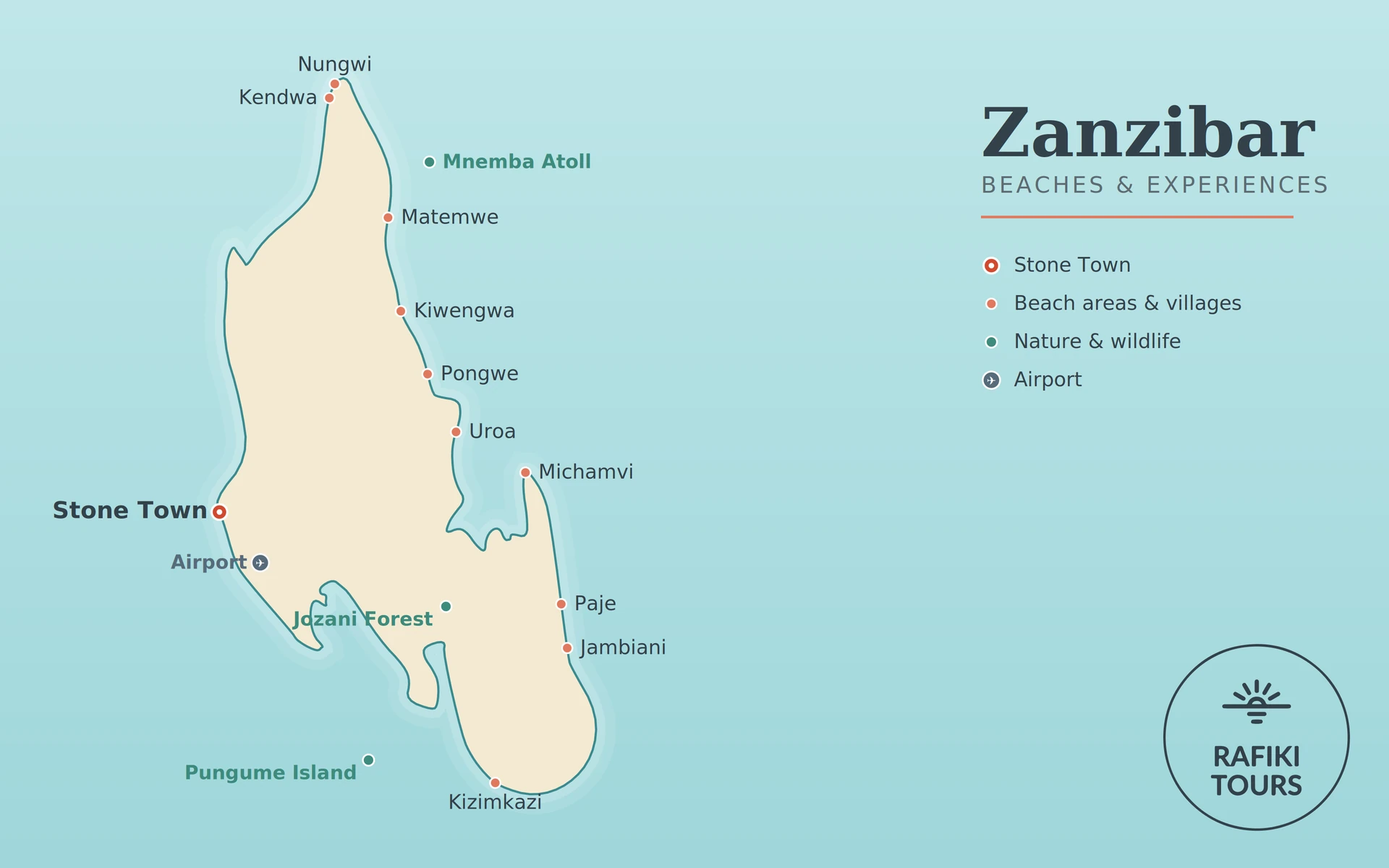
Zanzibar is about 90 kilometers from top to bottom, and which side of the island you pick shapes the whole trip. Worth thinking about beyond just hotel photos.
The north (Nungwi and Kendwa) is the lively side. Wide beaches, no tide issues (you can swim at any hour), lots of restaurants, sociable atmosphere. Good if you want variety in where to eat and don't mind some holiday bustle. Kendwa is slightly mellower than Nungwi.
The northeast (Matemwe, Pwani Mchangani) is quieter. This is also where you find the best access to Mnemba Atoll for snorkeling. Romantic, beautiful beaches, and close enough to drive north for a night out if you want one.
The east coast (Pongwe, Kiwengwa, Uroa) is quieter still, even more low-key than the northeast. Turquoise water, slow pace, solid mid- and high-end resorts. The reef sits offshore here, which means swimming at low tide can be limited on some stretches. Check your hotel's tide situation before booking.
The southeast (Paje, Jambiani) has a younger, more social energy. Paje is Zanzibar's kitesurfing capital and quite lively, with plenty of restaurants and bars, so if either of you wants to learn to kitesurf or have options for going out in the evening, that is where to base. Jambiani is slower, with charming guesthouses and a strong local-village feel.
The Michamvi Peninsula is worth knowing about for one reason: unlike most of the east coast, its western side faces the sunset over the water. (You can also catch ocean sunsets on the west coast around Stone Town.) Michamvi Kae has some of the best sunset bars on the island. If sunset cocktails matter to you, factor this in.
Stone Town itself is worth one or two nights at the start of the trip. Stone Town's romance is a different one. Narrow alleys, carved wooden doors, rooftop dinners, the call to prayer at dusk. Then move on to the beach.
Want to go deeper on individual beaches? Our guide to the best beaches in Zanzibar walks through each one in more detail.
The Experiences Worth Booking
Beyond "beach, repeat," here is what we would actually book if it were our own honeymoon.
A Sunset Dhow Cruise
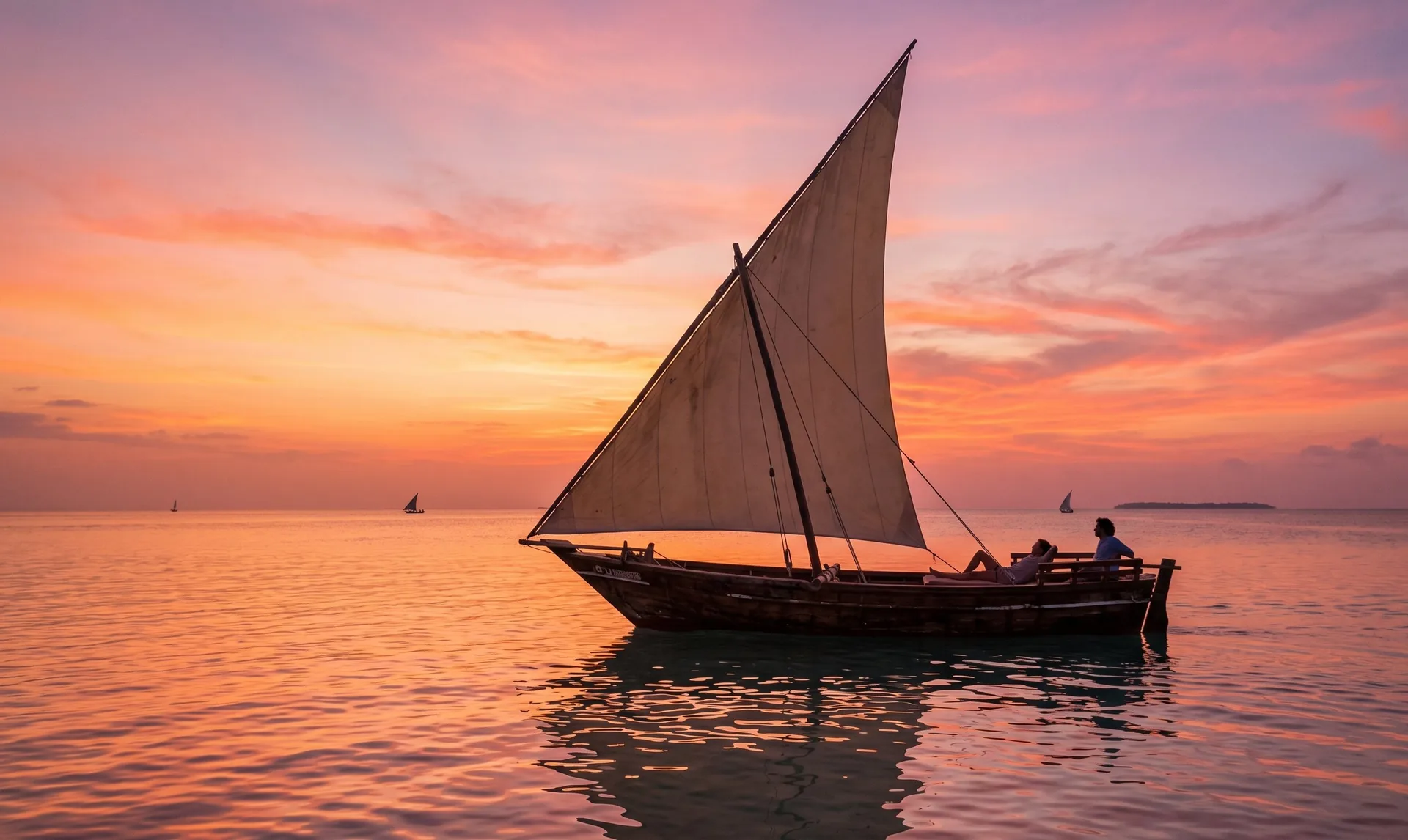
If you do nothing else from this list, do this one. A dhow is the traditional wooden sailing boat that has worked these waters for over a thousand years. The same vessels carried spices, ivory, and trade between Africa, Arabia, and India.
We run private sunset dhow cruises where it is just the two of you, a team of skippers who know the wind, and a basket of snacks and drink. You sail out as the day softens, watch the sun drop into the Indian Ocean, and come back under stars. Wear something light and bring a layer for after dark, when the breeze picks up.
A Sandbank Lunch on Pungume Island
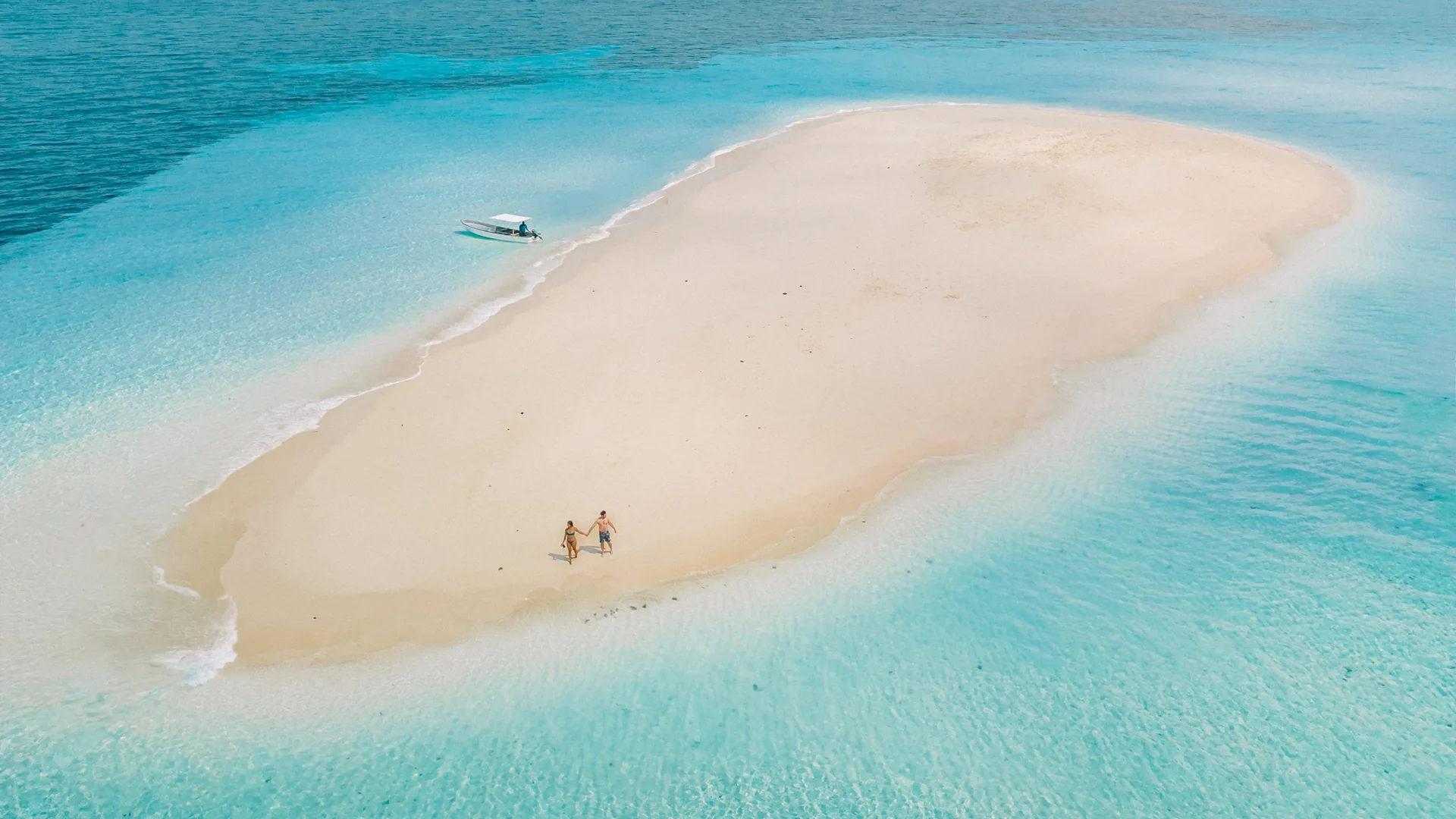
A few hundred meters offshore, at low tide, sandbanks rise out of the ocean. Small white-sand islands with nothing on them but you and 360 degrees of turquoise. Our Pungume Island Tour takes you out to one of these for the day, with a fresh lunch served right there on the sand. The catch (and the magic) is that the sandbank disappears again when the tide comes in, so you really do have it for only a few hours.
If you want wine, or anything else special set up on the sandbank, just send us a message when you book and we will arrange it.
Snorkeling at Mnemba Atoll

Mnemba is a small coral atoll off the northeast coast with the best snorkeling on the island. Tropical fish in numbers you do not usually see, dolphins when you are lucky, and reef shallow enough that you do not need to be a strong swimmer.
We organize private boats to Mnemba so you skip the crowds, leave early in the morning when the water is clearest, and snorkel with a guide who knows the reef. Bring reef-safe sunscreen. The regular kind is bad for the coral, and it is increasingly hard to buy on the island anyway.
Stone Town on Foot

Spend an afternoon and an evening wandering with no real plan. The alleys are narrow, the doors are extraordinary (notice the brass studs, each pattern has its own meaning), and getting a little lost is part of the experience. Stone Town is a UNESCO World Heritage Site, which gives you a sense of how much history is packed into the place.
We can guide you through the history if you want context: the Old Slave Market and the cathedral built on top of it, Freddie Mercury's birthplace, the spice bazaars. Or we can point you toward the best rooftop bar for sundowners and let you explore on your own.
In the evening, head to Forodhani Gardens by the seafront. Local vendors set up grills as the sun goes down, and it turns into the best street food market in Zanzibar. Fresh seafood skewers, Zanzibari pizza (try it, it is not pizza in the Italian sense, but it is good), sugarcane juice pressed in front of you. For more on what to eat across the island, our Tanzania food guide is a useful primer.
A Spice Farm Visit
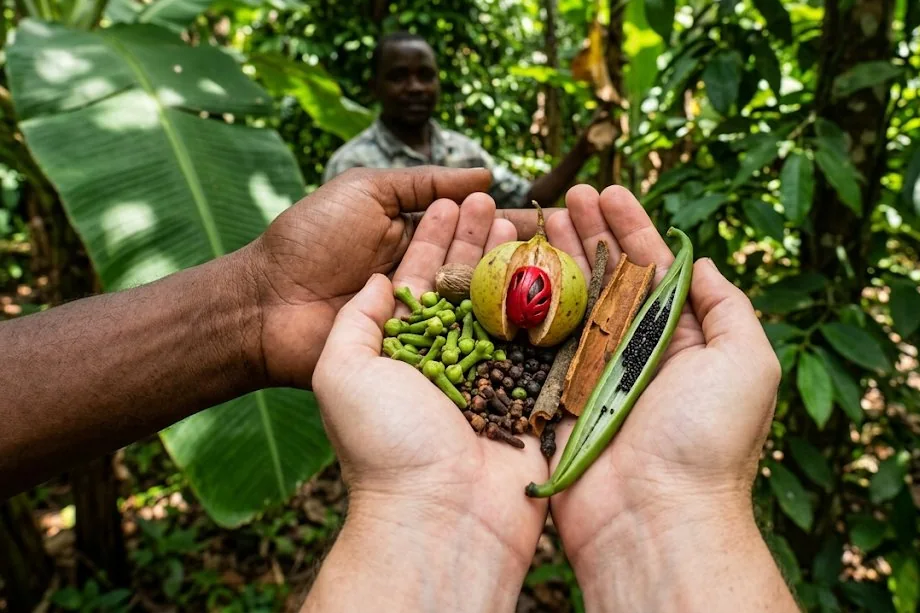
Zanzibar is called the Spice Island for a reason, and a working spice farm visit is one of those tours that sounds touristy and turns out to be excellent. You smell, taste, and touch the plants behind everything in your kitchen. Cinnamon bark scraped off a living tree, vanilla pods drying in the sun, fresh turmeric that stains your fingers yellow for the rest of the day.
The farms also grow tropical fruit. Tasting a just-cut soursop or a properly ripe jackfruit is its own small thing. If you want the history behind it all, our post on why Zanzibar is known as the Spice Island gets into the trade routes that built the place.
A Safari Add-On
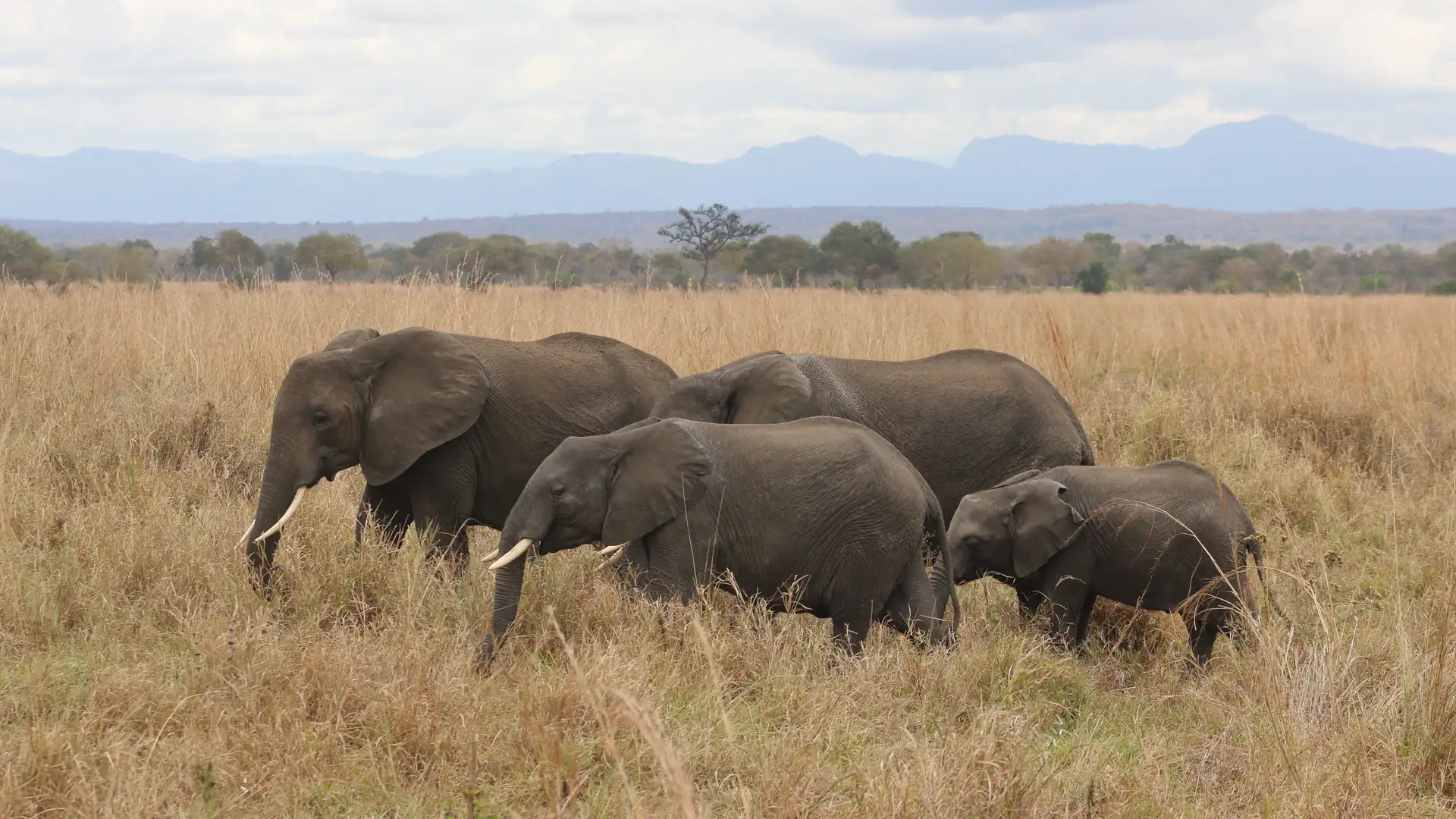
Most honeymooners do not realize this is on the table. From Zanzibar you can fly to the mainland and combine your beach week with an actual African safari.
We offer a Mikumi National Park day trip for couples who want a taste of safari without committing to a long mainland circuit. Early flight, full day of game drives among elephants, giraffes, zebras, and lions, back to Zanzibar by evening. For couples with more time, we can build longer Selous (Nyerere) or Serengeti combinations. Our full breakdown of options is in How to Go on a Safari From Zanzibar. Adding even one day in the bush to a beach honeymoon is a decision nobody regrets.
Bonus: Jozani Forest
If you want a half-day excursion with low effort and a unique payoff, Jozani is the only place in the world where you can see the rare red colobus monkey. A short walk through the forest with a guide, and you are a few meters from troops of them. Easy, quick, and unique to Zanzibar.
Practical Tips
A few things worth knowing before you arrive. For the full pre-departure checklist, see our what you need to know before visiting Zanzibar guide.
Visa. Most nationalities need a Tanzania tourist visa. You can get it on arrival at Zanzibar's airport, but applying online in advance via the official Tanzania eVisa portal is smoother and saves you queueing after a long flight.
Packing. Light, breathable clothing for the beach. For Stone Town and the spice farm, dress a little more modestly out of respect, especially in residential areas. Shoulders and knees covered for women is appreciated. Reef-safe sunscreen genuinely matters for the snorkeling. Bring a light layer for evenings on the dhow.
Health. Talk to your doctor about malaria prophylaxis before you travel. The CDC travel health page for Tanzania has the current recommendations. Yellow fever vaccination certificates are only required if you are arriving from a yellow-fever country. Do not drink the tap water.
Money. Tanzanian shillings are the currency, but US dollars and even euros are widely accepted at hotels and tour operators. Bring cards (Visa is more accepted than Mastercard) and some clean post-2009 US dollar or euro notes for tips and incidentals.
Connectivity. Most hotels have Wi-Fi but it can be patchy. This is your honeymoon. Treat it as a feature.
How Rafiki Tours Can Help
We built Rafiki Tours for couples and families who want more than the standard tour-bus package. Every experience we run is private. The dhow, the snorkeling boat, the sandbank, the spice farm walk: just for the two of you. No sharing with strangers.
We work in English, German, French, Italian, and Spanish, so you can plan in your own language. Booking is instant. You can lock in your honeymoon experiences with a deposit through our website, which is something most operators in Zanzibar still do not offer. And because we live here, if something needs to change (weather, tides, a last-minute idea), we adapt the plan in real time.
If you want help building a honeymoon itinerary, just message us. We will suggest what we would actually do, and then leave the romance to you.

One Last Thing
The best honeymoons we have seen have one thing in common. The couples did not try to do everything. They picked four or five experiences that excited both of them, spread them across the week, and left long empty stretches in between. Honeymoons are not about ticking off attractions. They are about the long lunches that turn into long afternoons, the swims before breakfast, the sunsets you watch without rushing, the quiet hours on a balcony with coffee.
Zanzibar gives you the raw material. The rest is up to the two of you.
Karibu sana. You are very welcome here.