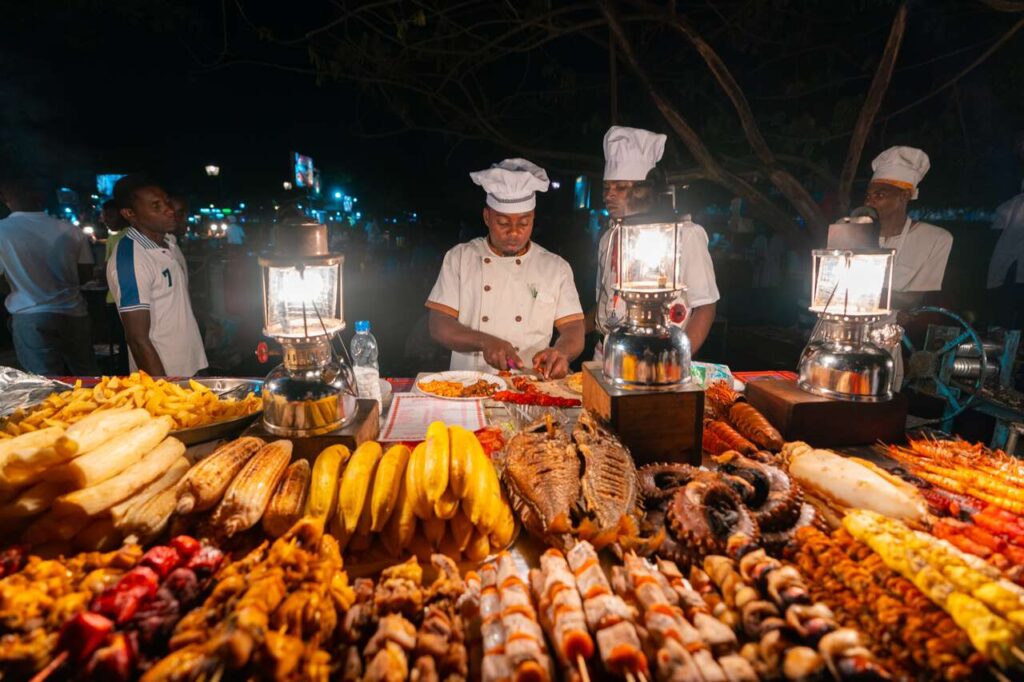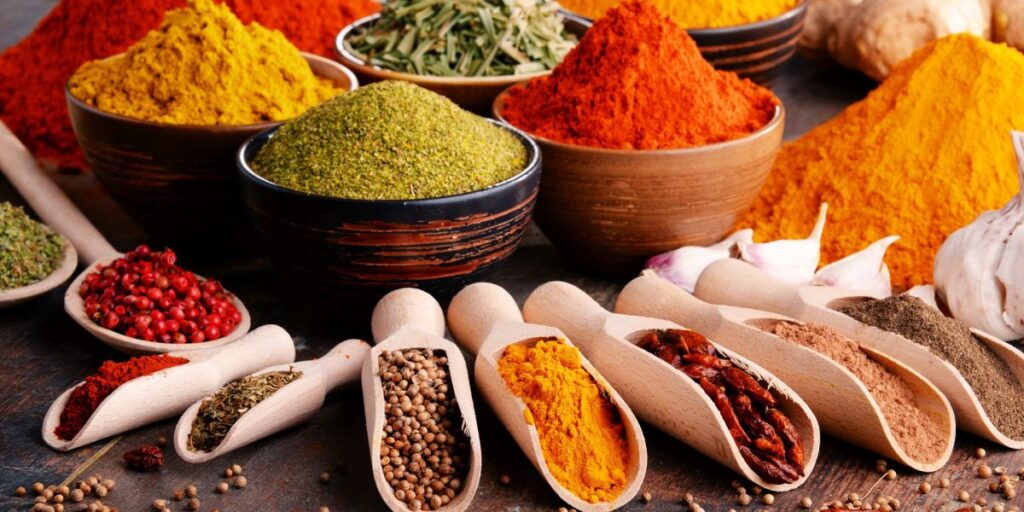
Zanzibar is famous for its pristine beaches and turquoise waters—but beyond the palm trees and white sand lies a fragrant legacy that gave the island its nickname: The Spice Island. For centuries, Zanzibar has been one of the world’s most important hubs for the production and trade of spices, especially cloves, and its history is deeply intertwined with these aromatic treasures.
Let’s explore how Zanzibar became the Spice Island and why this heritage still shapes the island today.
A Short History of Zanzibar’s Spice Trade
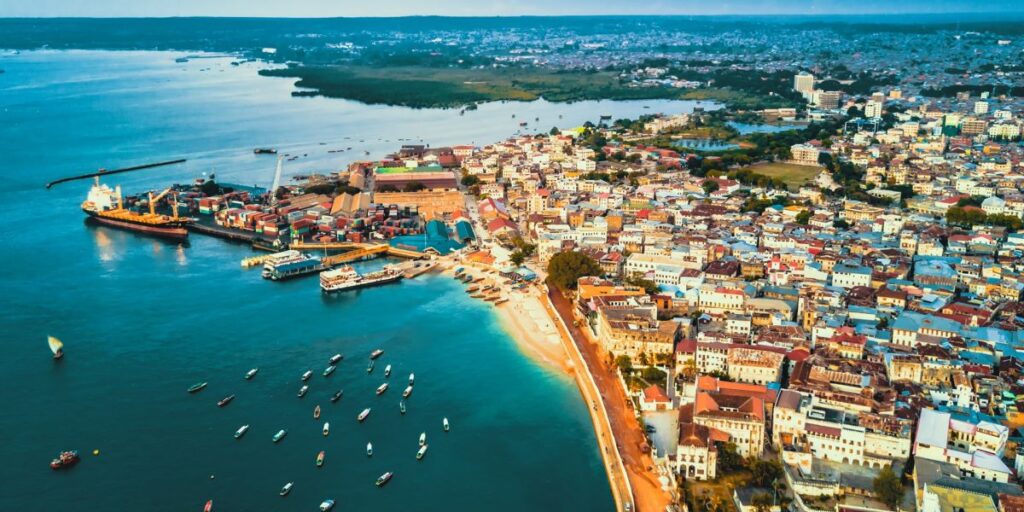
Zanzibar’s spice story began long before large-scale tourism arrived. Thanks to its strategic location in the Indian Ocean, the island attracted Arab, Indian, and Persian traders for centuries. But it was during the 19th century, under the rule of Sultan Seyyid Said of Oman, that the spice trade truly flourished.
The Sultan moved his capital from Muscat to Stone Town and transformed Zanzibar into the world’s leading clove exporter. Clove plantations spread across the island, and enslaved labor was tragically used to farm them. Spices became not just a crop—but a symbol of wealth, empire, and global trade.
Even today, some of the old clove trees from that era still grow in Zanzibar’s lush interior.
Cloves, Cinnamon & More: Zanzibar’s Signature Spices
Zanzibar is best known for its cloves, but the island also grows a variety of other spices that thrive in its tropical climate.
Here are just a few:
- Cloves – Intensely aromatic flower buds used in cooking and perfume
- Cinnamon – Sweet and woody, often used in spiced tea and desserts
- Cardamom – Warm and peppery, used in pilau rice and sweets
- Nutmeg & Mace – Popular in both sweet and savory Swahili dishes
- Turmeric – Known for its color and health benefits
- Black Pepper – Pungent and used widely in both local and international cuisine
- Vanilla – Grown on a smaller scale but increasingly popular
Many of these spices are still harvested by hand and dried in the sun—using traditional methods passed down through generations.
Spices in Swahili Culture
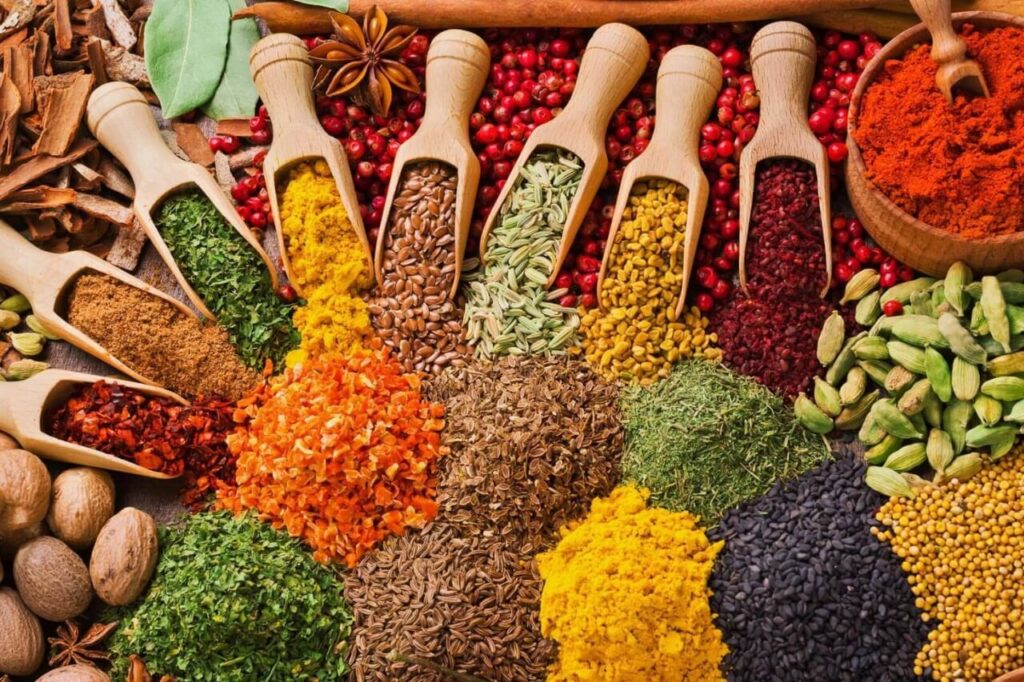
Spices aren’t just an export product—they’re part of daily life in Zanzibar. Swahili cuisine relies heavily on the island’s aromatic bounty: from spiced coconut curries to pilau rice, flavors are deep, bold, and comforting.
Spices also play a role in traditional medicine, wedding preparations, and perfume making. It’s not uncommon for locals to use cloves to soothe toothaches, or for turmeric to be part of a beauty ritual before marriage.
This rich sensory tradition makes Zanzibari food and customs truly unique.
Visiting a Spice Farm Today
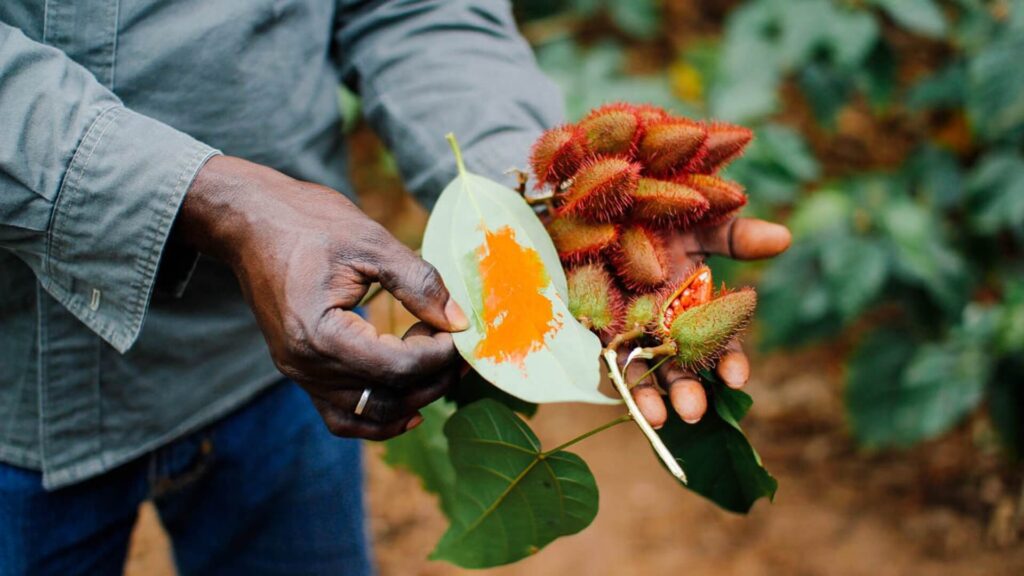
One of the best ways to experience this part of Zanzibar’s heritage is by visiting a local spice farm. These are typically small, family-run farms where guides take you on a walk through spice gardens, letting you touch, smell, and taste the plants.
You’ll learn how cinnamon is peeled from tree bark, how vanilla grows in vines, and how nutmeg hides inside a bright red covering called mace. Many tours also include fresh fruit tastings, Swahili cooking insights, and the chance to purchase freshly harvested spices.
Spice Tours: A Journey for the Senses
While Zanzibar’s beaches may draw you in, it’s the sights, scents, and tastes of the island’s spice farms that truly leave a lasting impression. A spice tour is a fun, educational, and sensory-rich experience for all ages.
You can explore the tropical farms on foot, learn about the medicinal and culinary uses of each spice, and even take some home as souvenirs.
Want to see it for yourself? Check out our Spice Tour and experience the flavors that made Zanzibar famous.
More Than Just Beaches
Zanzibar’s spice history is more than a tourist attraction—it’s a story of culture, trade, struggle, and resilience. From ancient trade routes to modern-day spice farms, the island’s identity has been shaped by its connection to the world’s most aromatic crops.
So when you’re walking through the markets of Stone Town or enjoying a spiced seafood dish by the ocean, remember—you’re experiencing a tradition that goes back hundreds of years.
Curious about Zanzibar’s spices or planning a visit? Feel free to reach out—we’re happy to answer your questions or help you book an unforgettable spice tour!