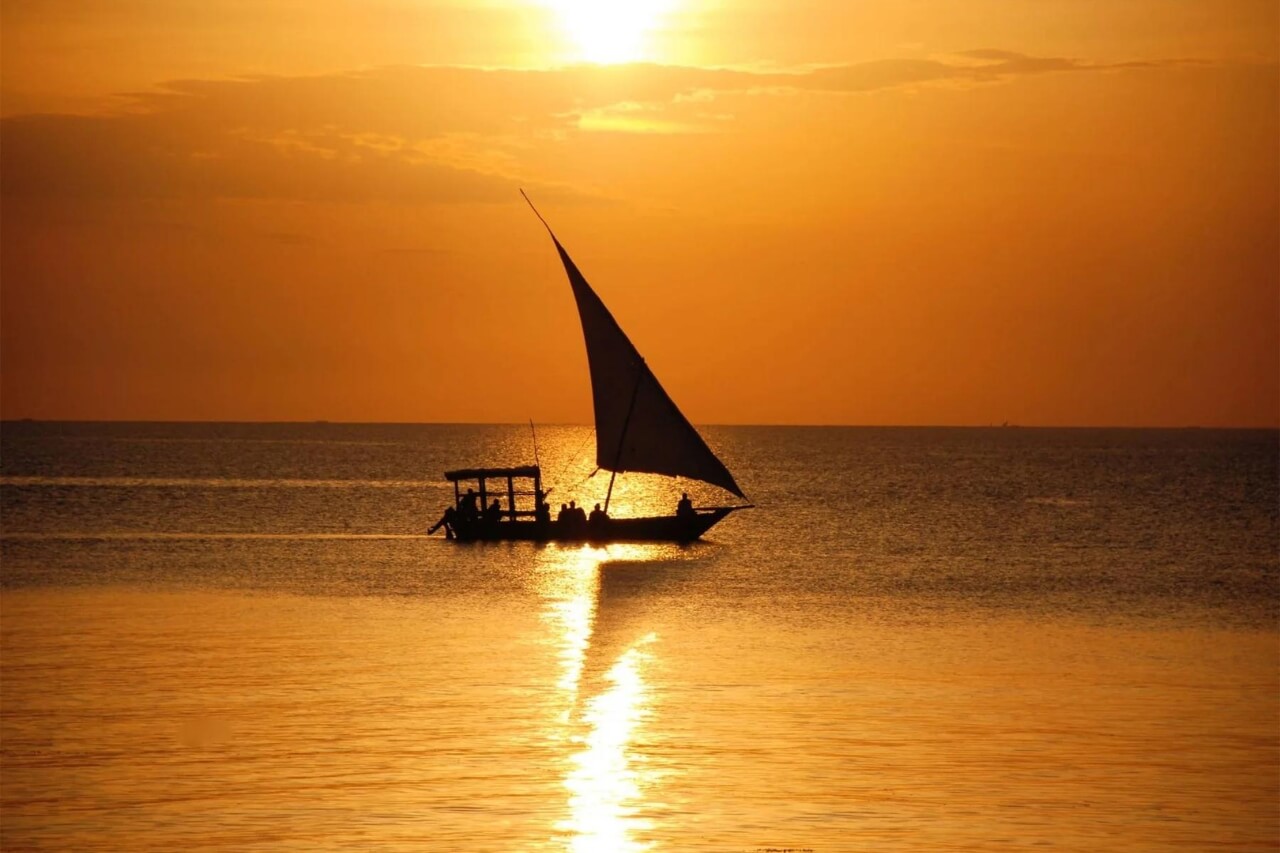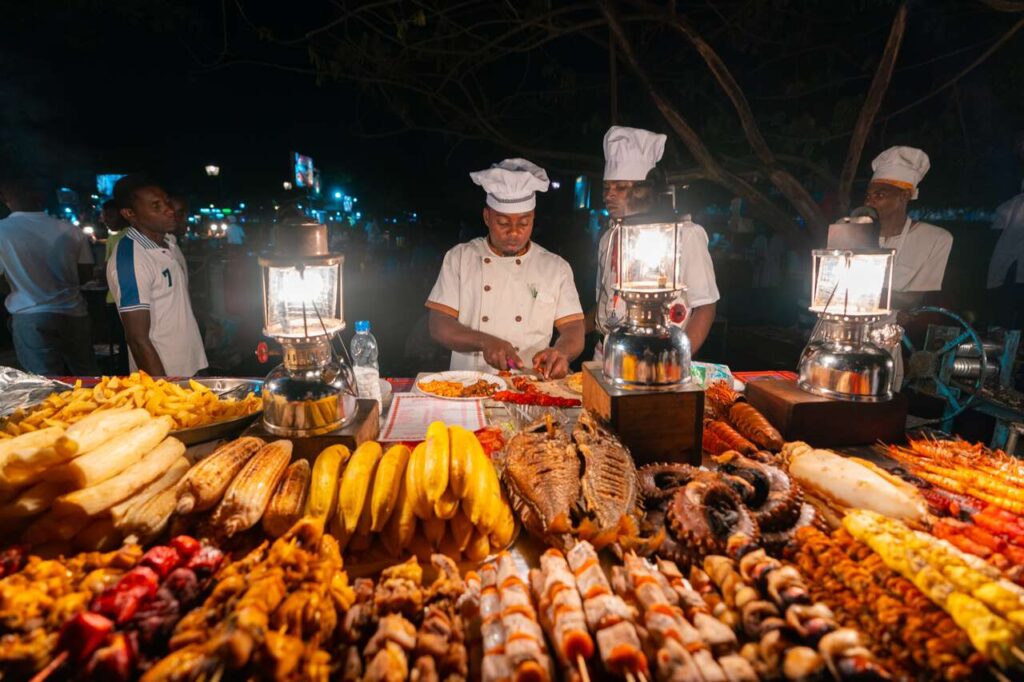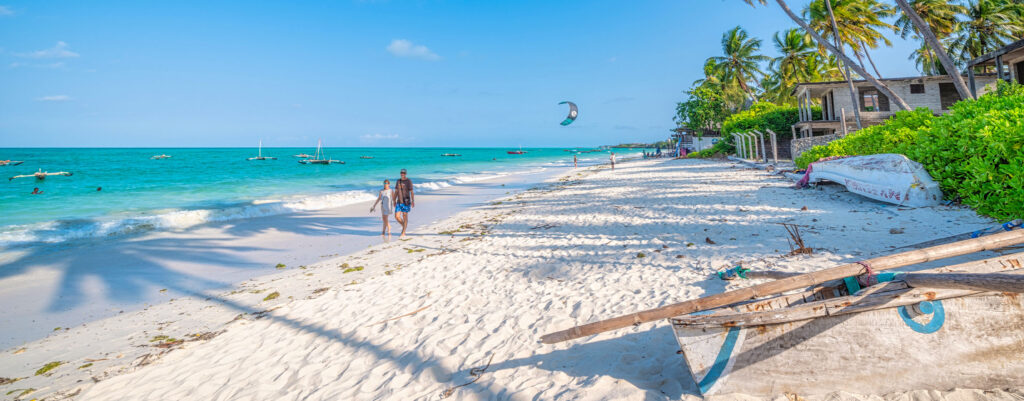
Planning a trip to Zanzibar? This tropical island off the coast of Tanzania is famous for its turquoise waters, spice plantations, and rich culture. To make sure your holiday is smooth and stress-free, it’s worth knowing a few practical details before you arrive. This Zanzibar travel guide covers everything from visas and money to culture, safety, and must-do experiences.
Entry Requirements & Visas
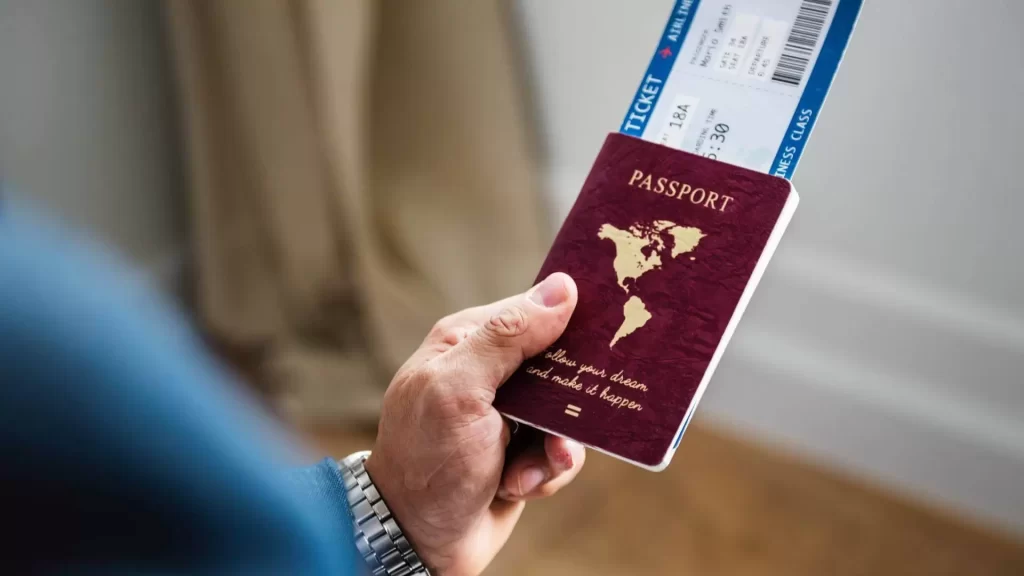
Most visitors to Zanzibar will need a visa to enter Tanzania.
- Visa on Arrival: Available at Abeid Amani Karume International Airport (ZNZ) for $50 (payable in cash or by card).
- E-Visa: You can also apply online in advance through the official Tanzania Immigration website, which may save time at the airport.
- Passport Validity: Ensure your passport is valid for at least 6 months from your entry date.
- Yellow Fever Vaccination: Required only if you’re arriving from a country with yellow fever risk — for example Kenya, Uganda, Nigeria, Ethiopia, Brazil, or other parts of South America and Sub-Saharan Africa. If you’re flying in directly from Europe or North America, you typically don’t need it.
- Mandatory Travel Insurance: Since October 2024 all tourists must purchase a government-issued travel insurance upon arrival at Zanzibar Airport. This is compulsory and costs USD 44. It is separate from any private travel insurance you may already hold. (See official details here)
Best Time to Visit Zanzibar
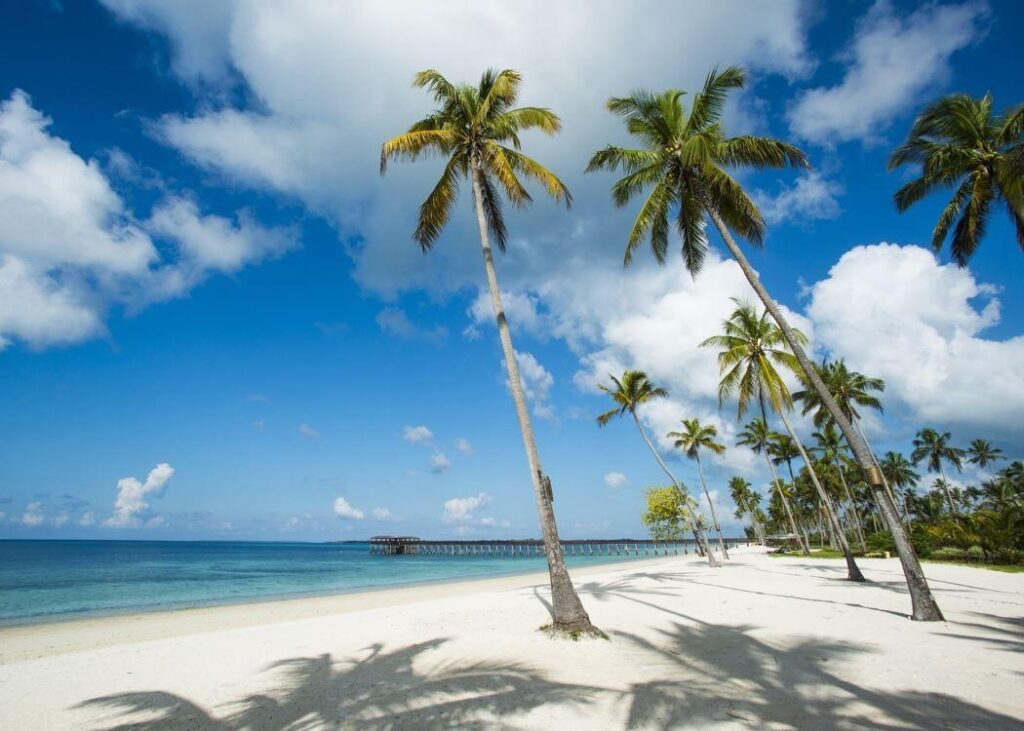
Zanzibar enjoys a tropical climate year-round, but some seasons are better than others.
- Dry Season (June–October, December–February): Sunny skies and perfect for the beach and snorkeling.
- Long Rains (March–May): Heavy showers, fewer tourists, and lower prices.
- Short Rains (November): Light rain with warm weather.
👉 If you want sunshine and calm seas, plan your trip in the dry months. For a detailed breakdown, check out our full guide on the Best Time to Visit Zanzibar.
Money & Payments
The local currency is the Tanzanian Shilling (TZS), but USD is widely accepted – especially newer $50 and $100 notes.
- Exchanging Money: Exchange bureaus are widely available, and both USD and EUR can be changed to TZS with good rates. The best rates are usually found in Stone Town.
- ATMs: Available in larger towns, but not always reliable.
- Cards: Some hotels and restaurants accept card payments, often with a surcharge.
- Tipping: Common in tourism—around 10% at restaurants or a few dollars for guides and drivers.

Getting Around Zanzibar
- Airport & Transfers: Arrange a transfer in advance to avoid haggling on arrival.
- Taxis & Drivers: Widely available, best for comfort.
- Dala-Dalas: Local minibuses—cheap, but crowded and slow.
- Scooters & Cars: Rentals are possible, but you’ll need an international license. Road conditions are often poor, and police checks are common.
💡 Many tours, including ours, include optional hotel pick-up and drop-off, making transport hassle-free.

Health & Safety
- Malaria Prevention: The incidence of malaria on Zanzibar is relatively low, but it is still wise to use mosquito repellent and consider prophylaxis if recommended by your doctor.
- Drinking Water: Stick to bottled or filtered water.
- Travel Insurance: Highly recommended.
- Personal Safety: Zanzibar is generally safe, but take precautions. Avoid carrying valuables in busy markets and do not leave your belongings unattended.

Culture & Local Etiquette
Zanzibar is predominantly Muslim, and respecting local customs is important:
- Dress Modestly: Cover shoulders and knees in Stone Town and villages. Swimwear is fine at the beach.
- During Ramadan: Be respectful about eating or drinking in public.
- Greetings in Swahili: A simple “Jambo” (hello) or “Asante” (thank you) goes a long way. Many locals will also greet tourists with “Karibu,” which means “Welcome.” A polite response is “Asante” (thank you).

Packing Tips
- Light, breathable clothes for the heat
- Modest outfits for cultural areas
- Reef-safe sunscreen & eco insect repellent
- Power adapter (Type D/G, 220V)

Internet & Connectivity
- SIM Cards: Airtel, Vodacom, and Halotel offer good coverage and affordable data.
- Wi-Fi: Available in most hotels, though speeds can vary.
- eSIMs: Handy for international travelers wanting connectivity on arrival.

Must-Do Experiences in Zanzibar
No trip to Zanzibar is complete without exploring:
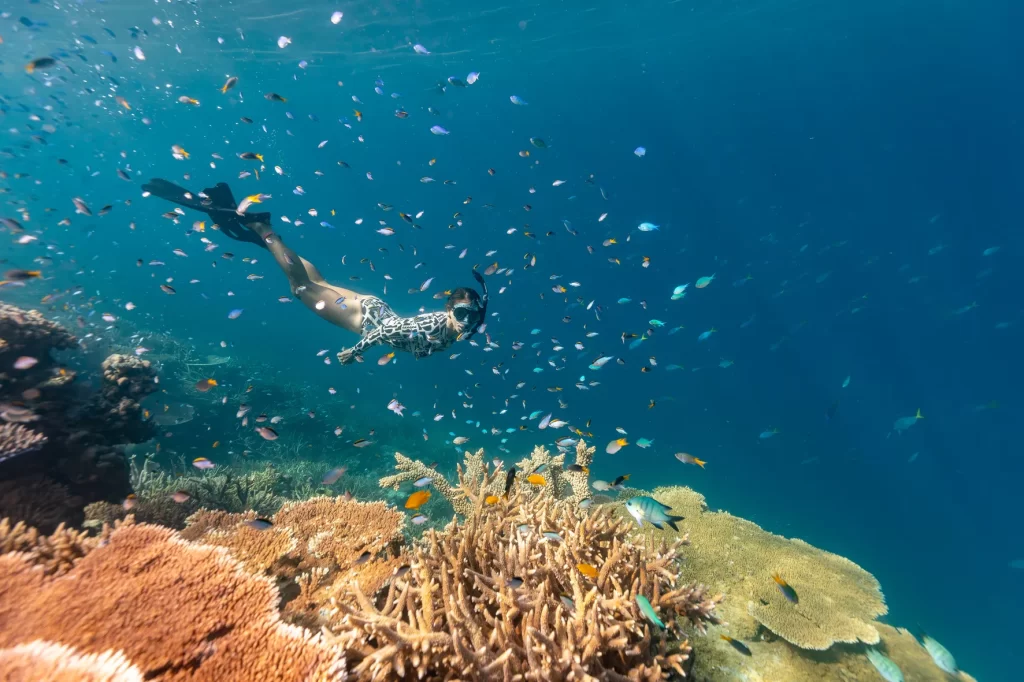
- Mnemba Island – world-class snorkeling and dolphin spotting
- Prison Island & Nakupenda – see giant tortoises on Prison Island and visit the famous Nakupenda Sandbank
- Spice Tour – discover why Zanzibar is called the “Spice Island”
- Stone Town – winding alleys, historic sites, and lively markets
- South Tour – explore the most beautiful places of Zanzibar’s southern part
👉 Check out our Zanzibar Tours for private and ethical experiences.
Responsible Tourism
Tourism plays a big role in Zanzibar’s economy, and traveling responsibly makes a difference.
- Support local artisans and family-owned businesses.
- Choose eco-friendly and ethical tours (avoid animal exploitation).
- Respect marine life—never touch corals or chase dolphins.
At Rafiki Tours, we actively promote sustainable tourism, ensuring your adventure also benefits local communities and nature.
Conclusion
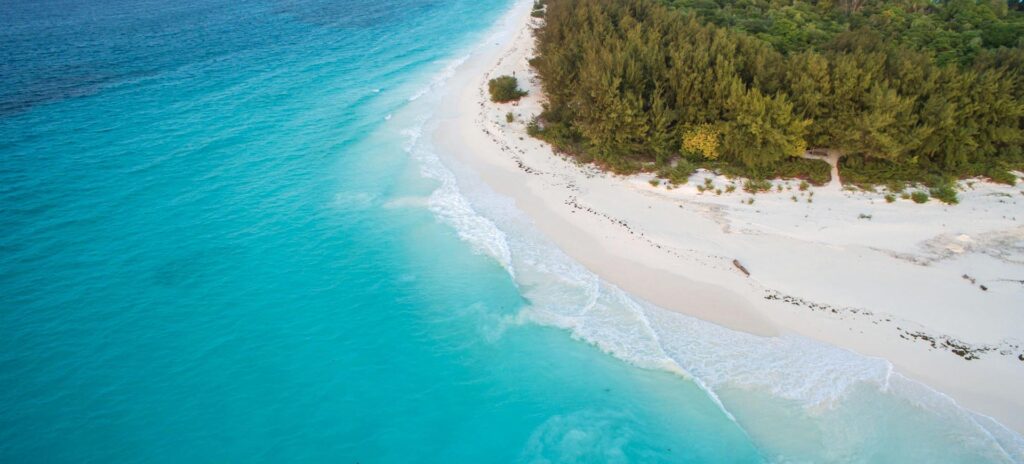
Zanzibar is an island paradise—rich in culture, nature, and history. With a little preparation, your trip will be smooth, safe, and unforgettable.
🌴 Ready to experience Zanzibar the authentic way? Explore our private tours and let us make your trip truly special.